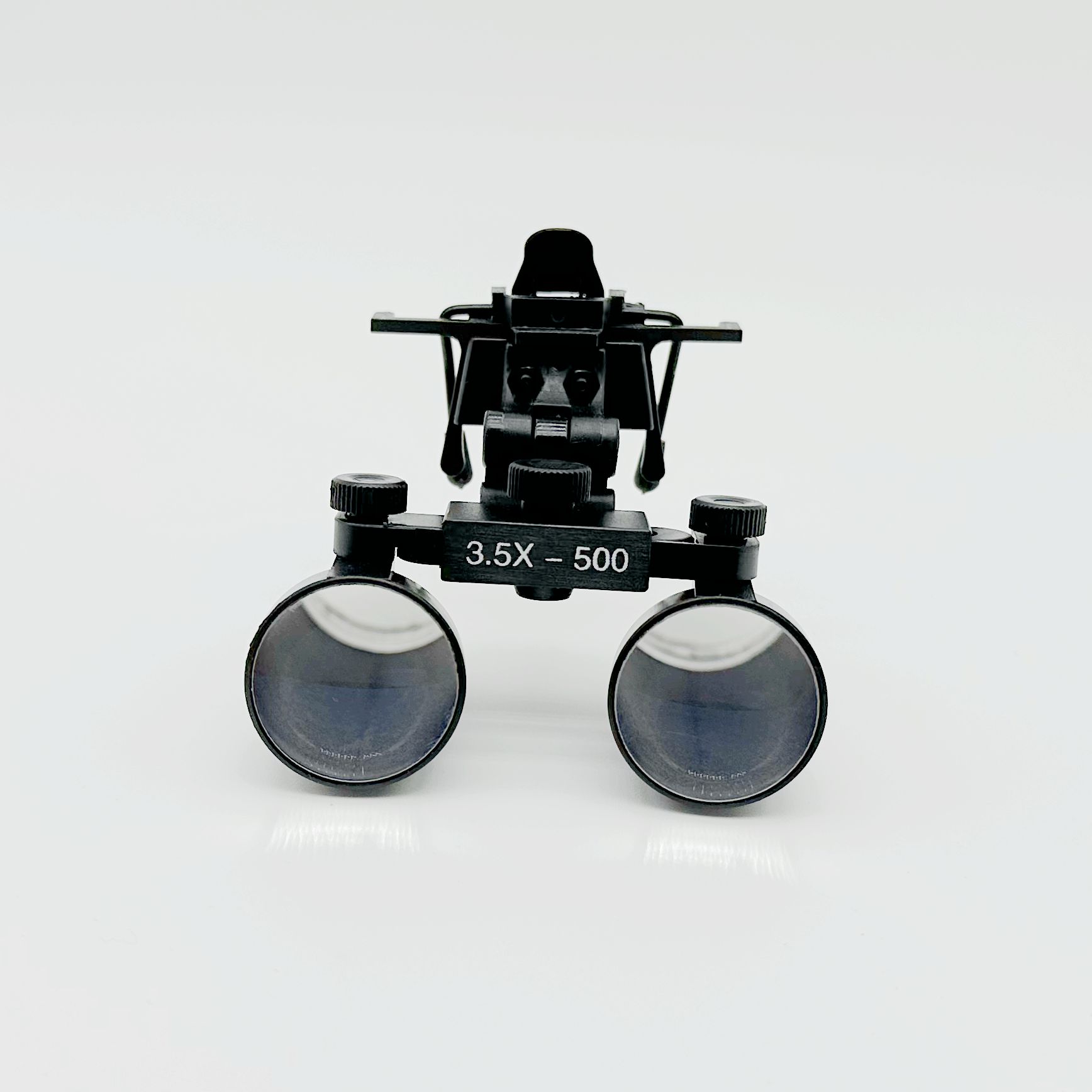
In the realm of modern surgery, precision is paramount. With the advent of advanced technologies, surgical procedures have become increasingly refined, ensuring better patient outcomes and reduced recovery times. One such innovation that has significantly impacted the field is the use of surgical loupes. These magnifying glasses have revolutionized the way surgeons perform delicate operations, enhancing accuracy and reducing errors. In this blog post, we delve into the advantages of using surgical loupes and provide insights into their key features, ergonomic benefits, and types.
What Are Surgical Loupes and How Do They Enhance Surgical Accuracy?
The Role of Magnification in Reducing Surgical Errors
Key Features to Look for When Choosing Surgical Loupes
How Surgical Loupes Improve Ergonomics for Surgeons
Comparing Different Types of Surgical Loupes: Which Is Best for You?
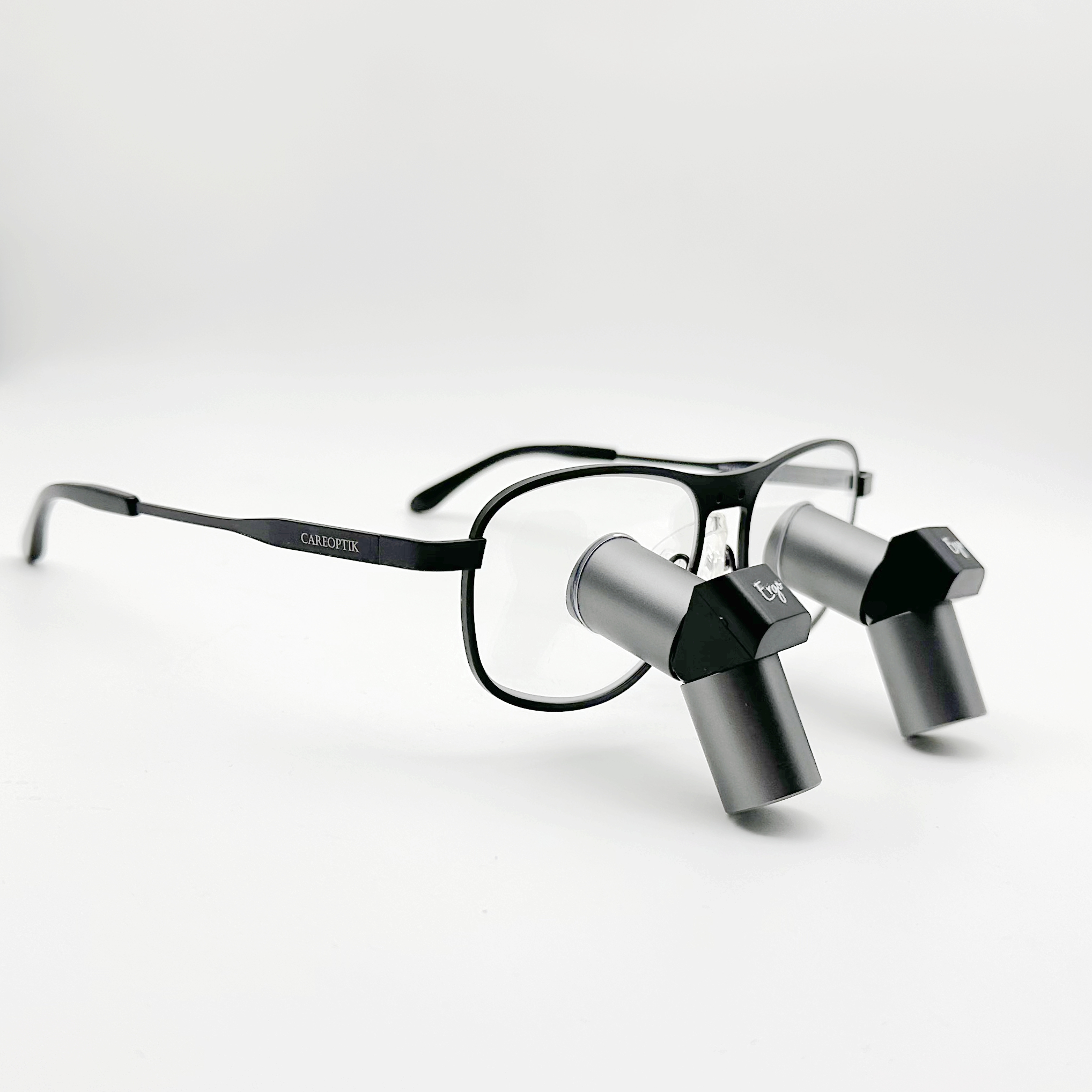
Surgical loupes are specialized optical instruments worn by surgeons to magnify the operative field. By providing a clearer and enlarged view of the area being operated on, loupes enable surgeons to perform intricate procedures with heightened precision. This increased visibility is particularly crucial in microsurgery, dental surgery, and other fields where minute details make a significant difference.
The enhanced visual acuity offered by surgical loupes reduces the likelihood of errors, such as accidental damage to surrounding tissues. Furthermore, loupes help surgeons identify and address issues that might be missed with the naked eye, thereby improving the overall success rate of surgeries.
Magnification plays a critical role in minimizing surgical errors. Traditional surgical methods often rely on the surgeon's eyesight, which can be limiting, especially when dealing with small anatomical structures. Surgical loupes provide various levels of magnification, typically ranging from 2.5x to 6.0x, allowing surgeons to choose the appropriate level of detail for each procedure.
Studies have shown that the use of loupes significantly reduces the incidence of errors during surgery. Enhanced magnification allows for more precise incisions, suturing, and tissue manipulation, leading to better surgical outcomes and reduced complication rates.
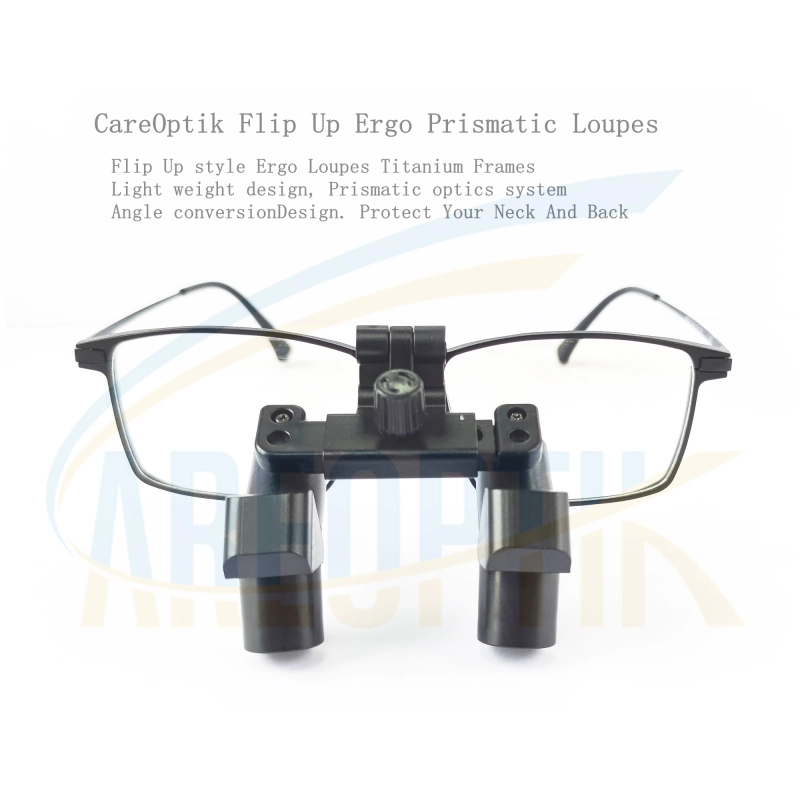
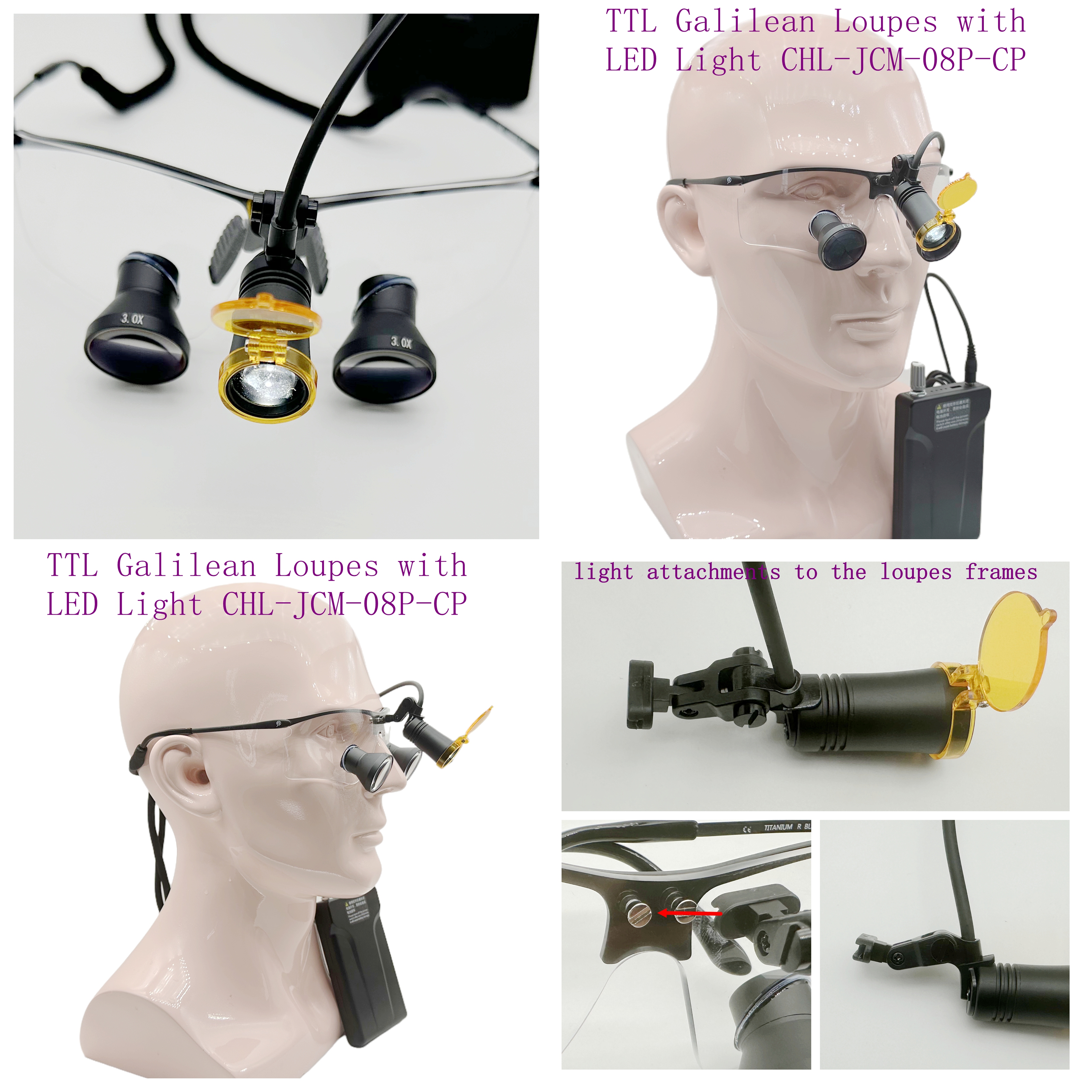
Selecting the right surgical loupes is crucial for maximizing their benefits. Here are some key features to consider:
Ergonomics is a critical consideration for surgeons, who often spend long hours performing intricate procedures. Poor posture and prolonged strain can lead to musculoskeletal issues, affecting a surgeon's performance and overall well-being. Surgical loupes improve ergonomics by promoting a more natural and comfortable working posture.
By providing a magnified view, loupes reduce the need for surgeons to bend or hunch over the operative field. This alleviates strain on the neck, back, and shoulders, allowing surgeons to maintain a neutral position. The result is improved comfort, reduced fatigue, and enhanced focus during surgery.
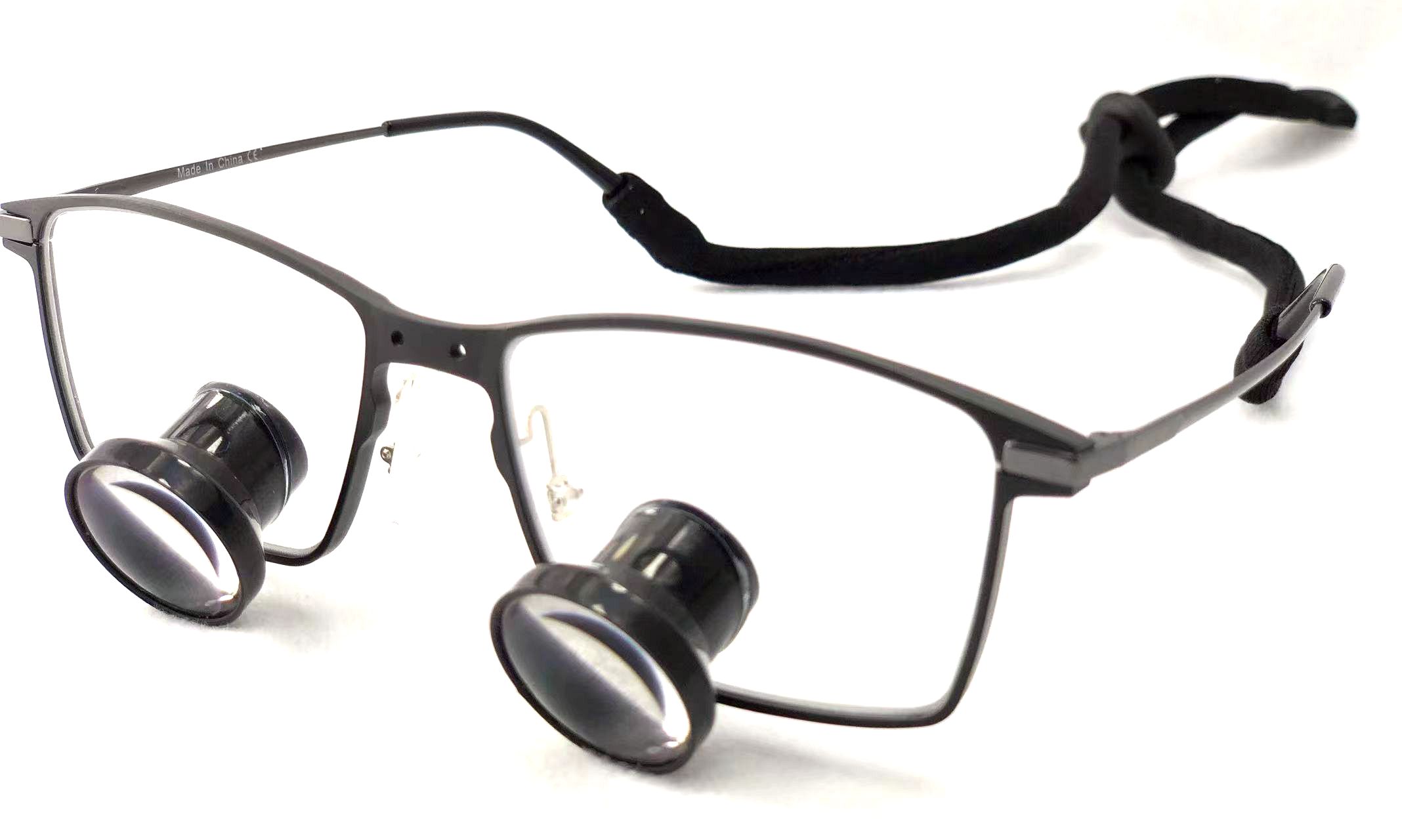
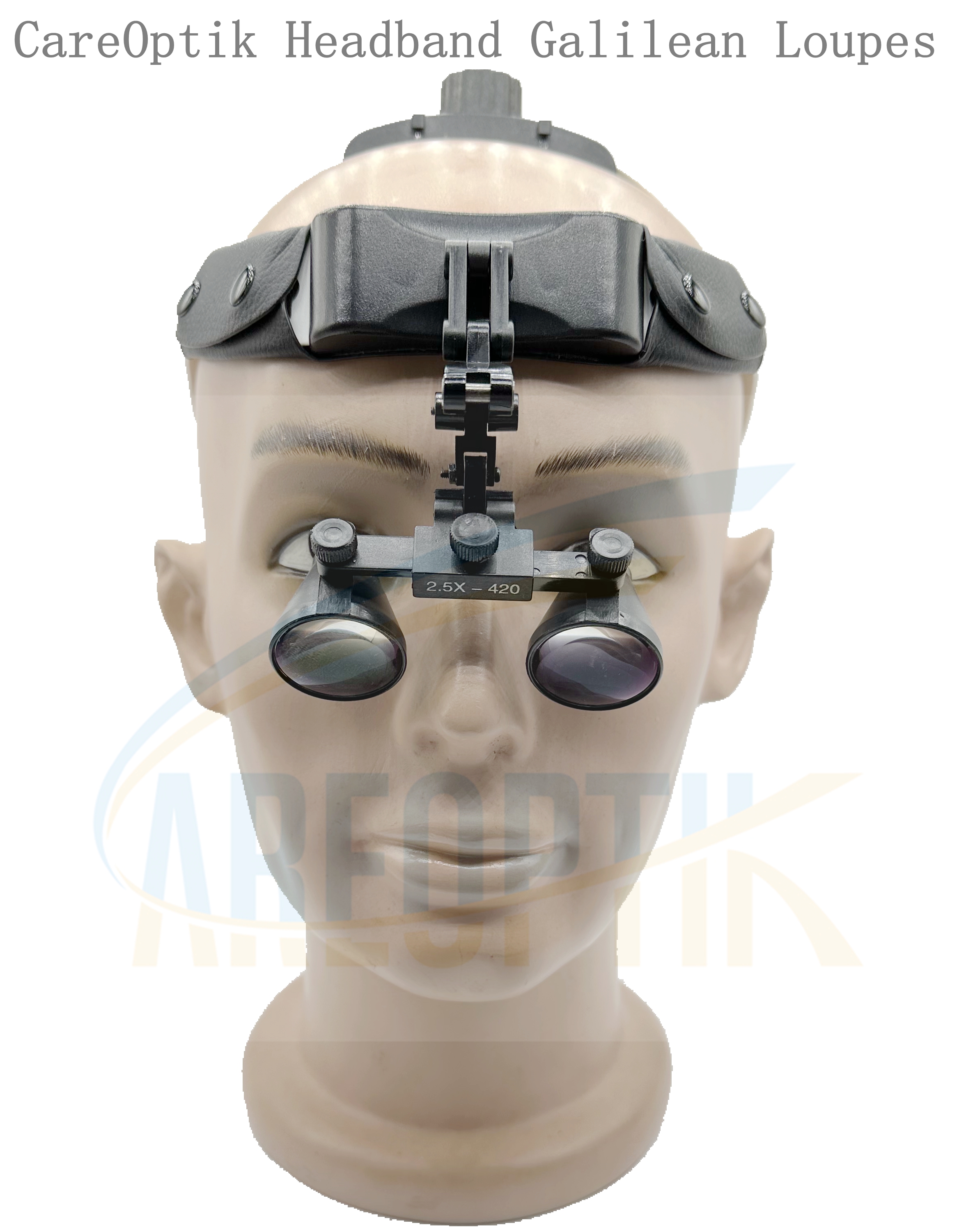
Surgical loupes come in various types, each with its advantages and disadvantages. The main types include:
Choosing the best type of loupe depends on your specific needs and preferences. Consider factors such as magnification requirements, comfort, adjustability, and the type of procedures you perform.
Surgical loupes are indispensable tools for modern surgeons, enhancing precision, reducing errors, and improving ergonomics. By choosing the right loupes and incorporating them into your practice, you can elevate your surgical skills and achieve better patient outcomes. Explore options like the CareOptik Ergo Flip-Up Prismatic Loupes to find the perfect fit for your needs and take your surgical practice to the next level.
For more information on surgical loupes and to explore our range of products, visit CareOptik.