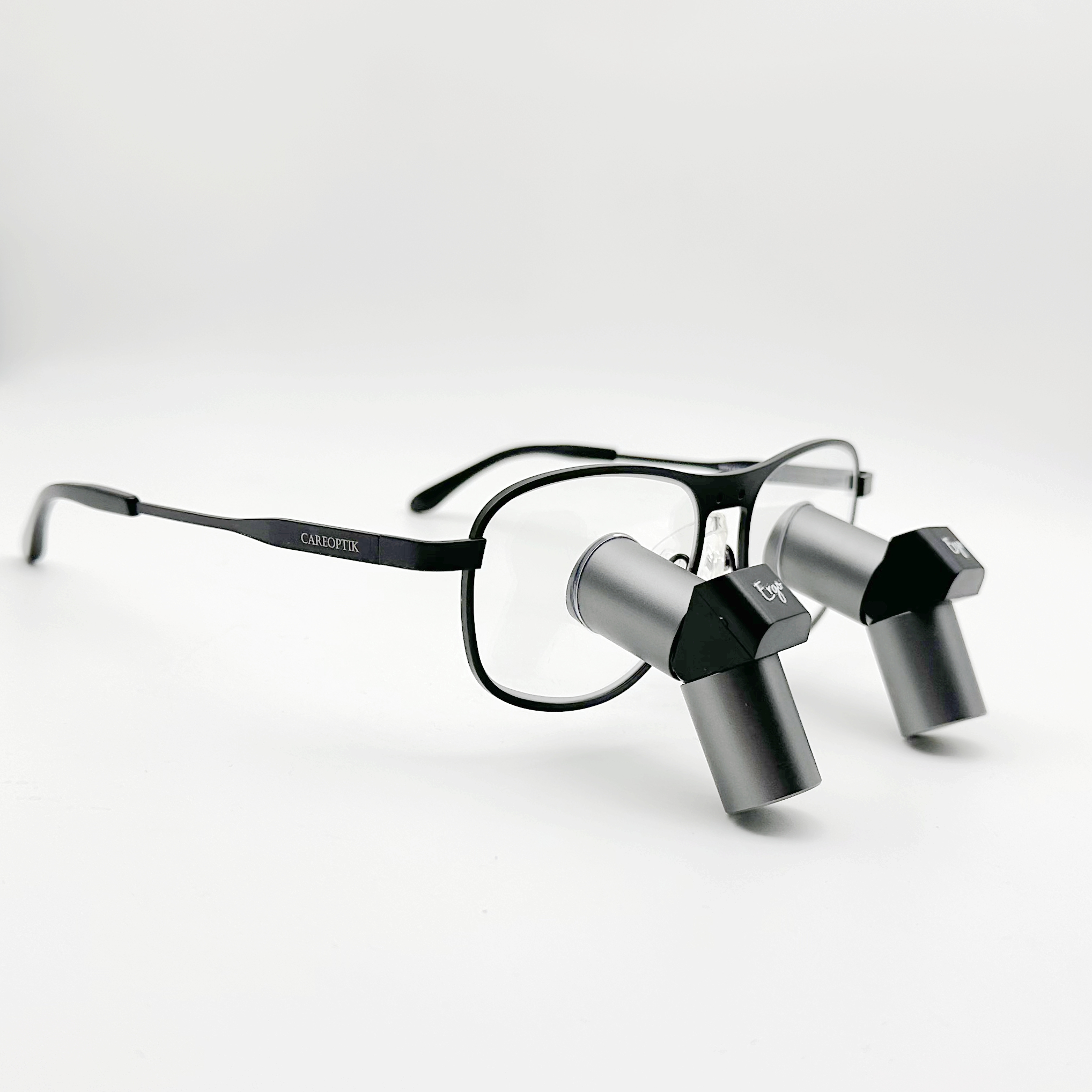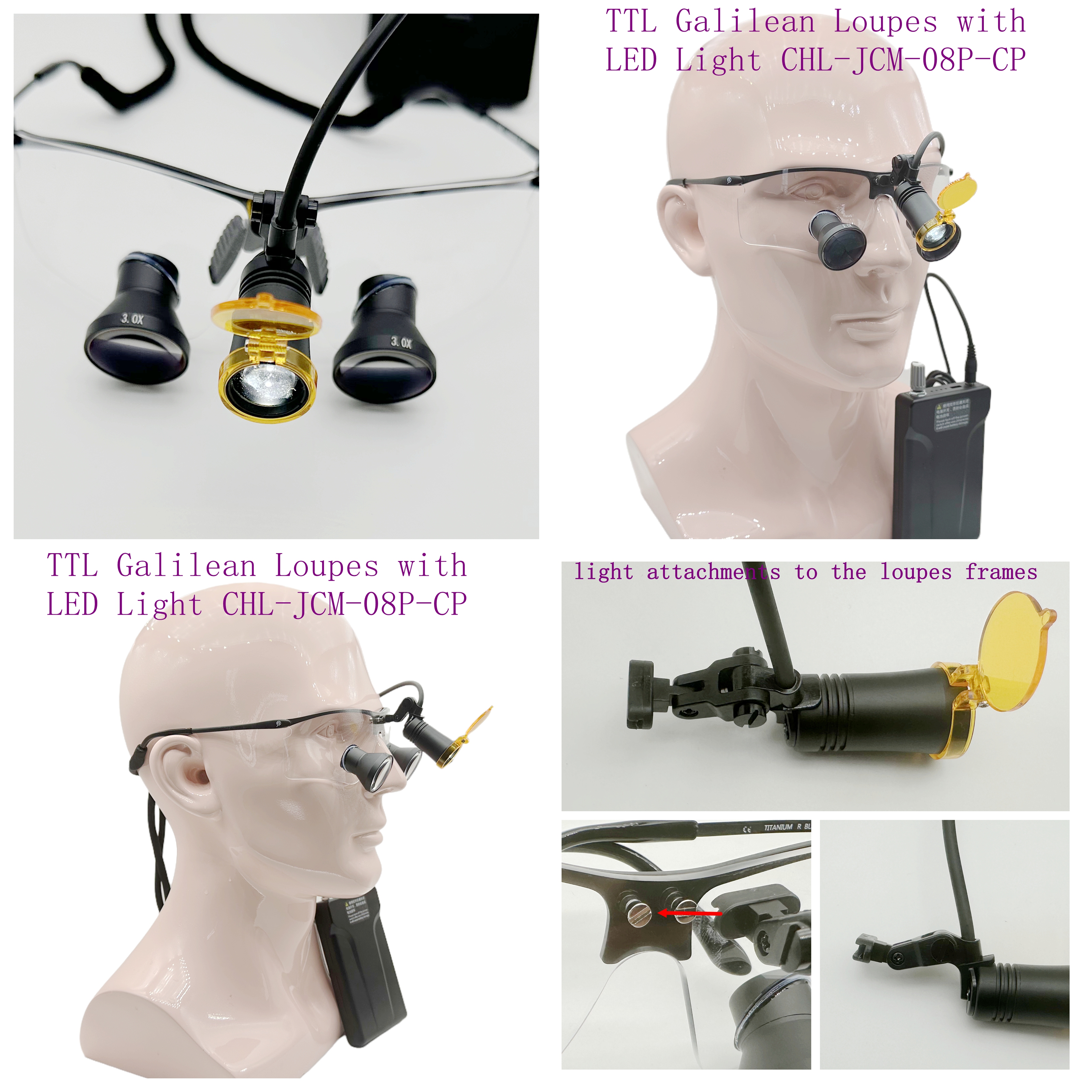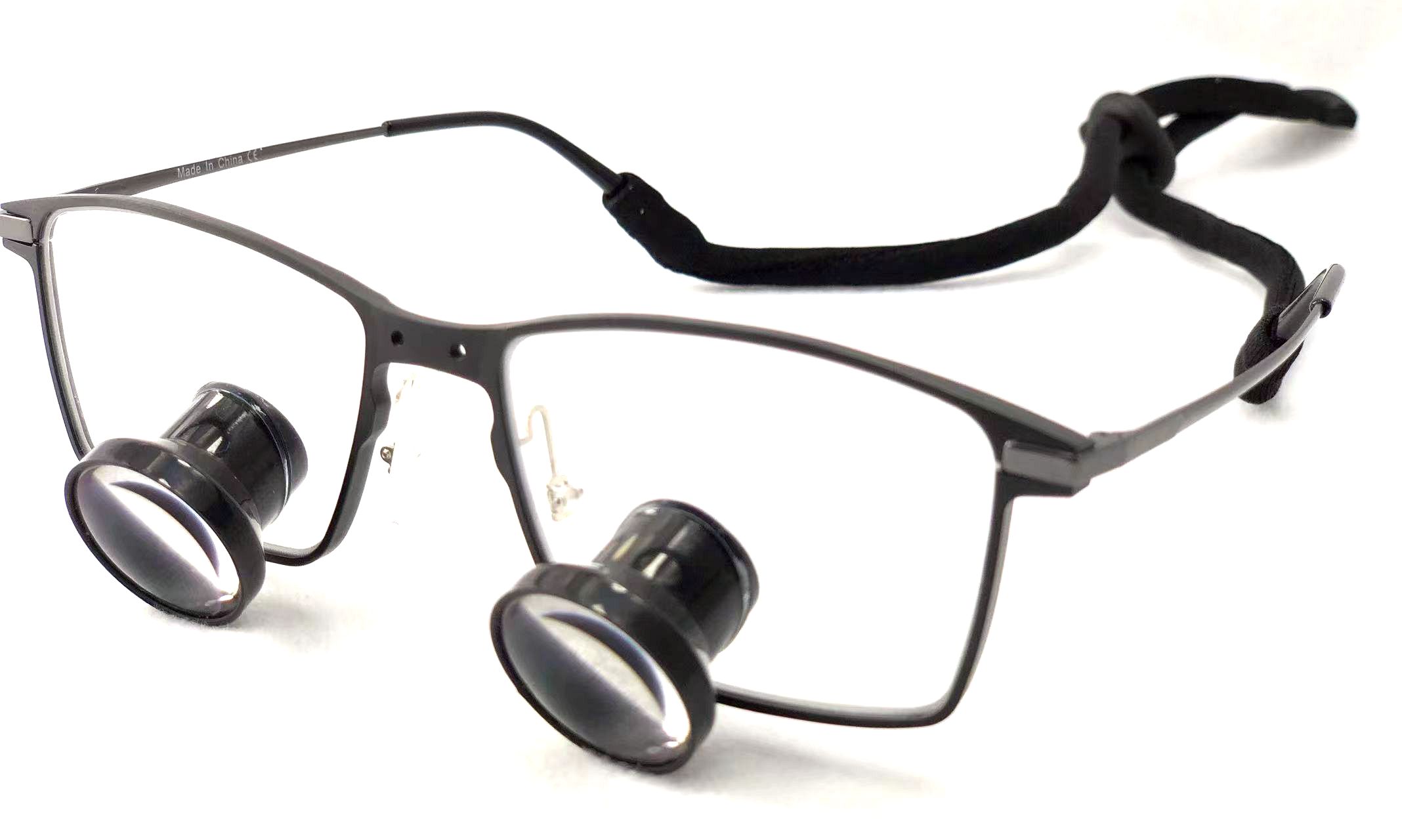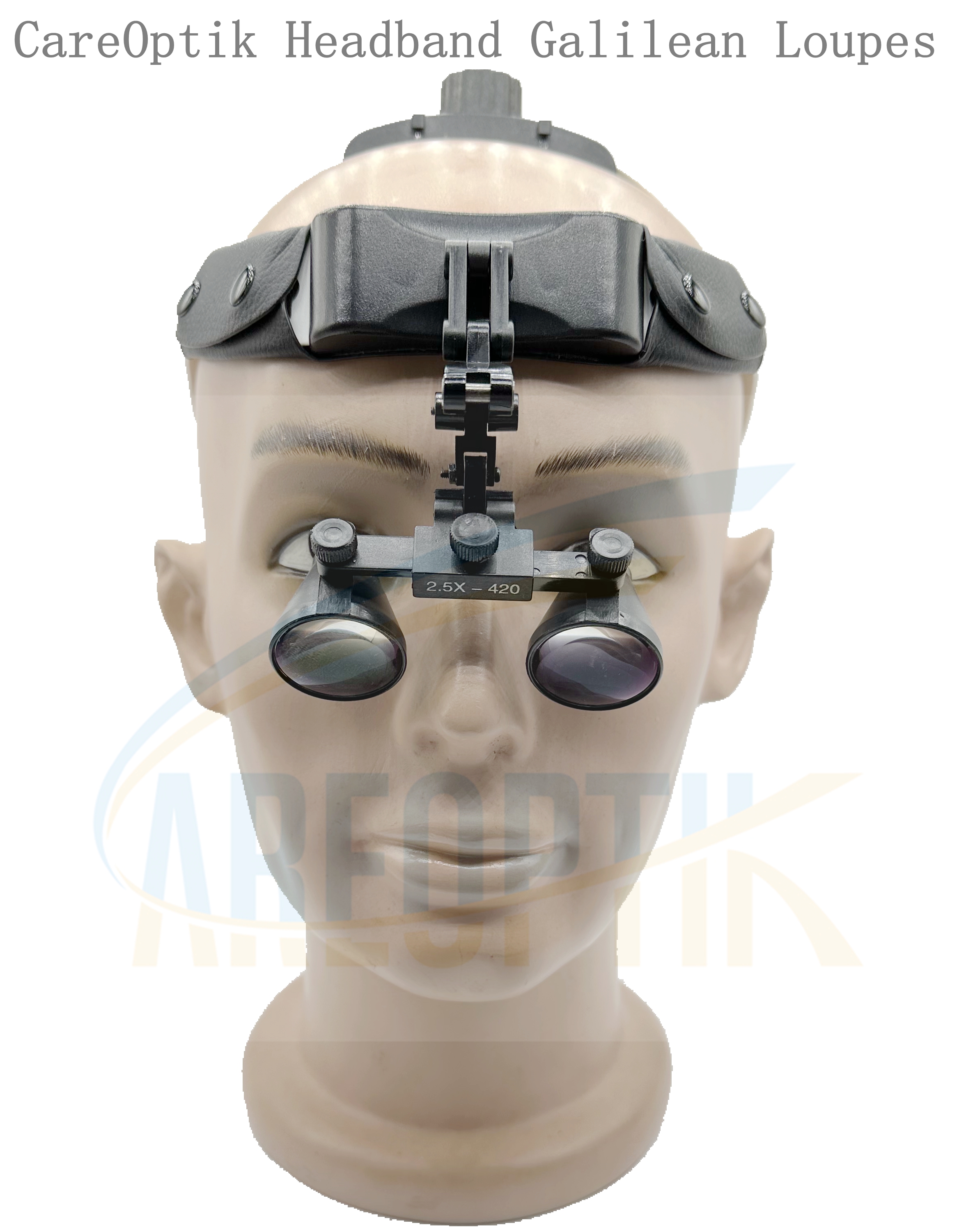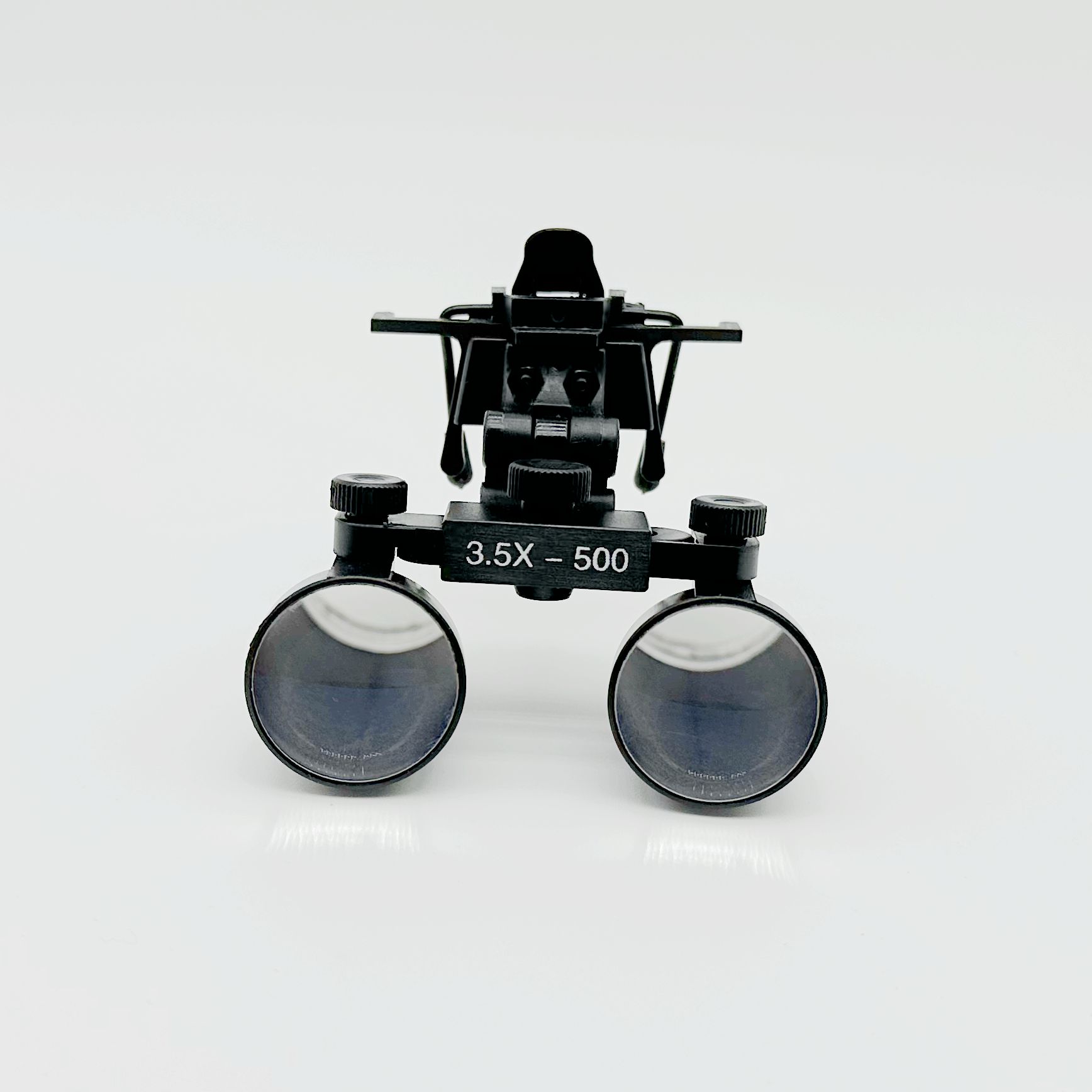
Ask any dentist about their body after a long clinic day, and the answer is almost always the same: neck tension, lower back stiffness, and shoulders that never fully relax. The problem is not the hours. It is the angle. TTL dental loupes for sale have become one of the most talked-about solutions in modern dentistry, not just for better visibility but for the structural difference they make to how a dentist holds their entire body during work. This guide explains exactly how that works and why your posture depends on the right pair. The most important part is just ahead.
TTL stands for Through-The-Lens. TTL dental loupes are magnification devices built directly into the lens of a custom frame, with the optics set at a fixed declination angle matched precisely to the individual dentist's working distance and line of sight. Unlike clip-on or flip-up loupes, TTL optics cannot be repositioned, which means the working angle is locked in from the moment of fitting. That fixed angle is not a limitation: it is the whole point.
Dentistry Is a Physically Demanding Profession
Studies consistently show that musculoskeletal disorders affect between 64 and 93 percent of dental professionals at some point in their careers. The spine, neck, and shoulders bear the greatest load. Most of this damage accumulates gradually over years of leaning forward, tilting the head down, and squinting to see fine detail in a small, poorly lit space.
The Head-Forward Position Is the Core Issue
Every degree the head tilts forward adds significant load to the cervical spine. At a 30-degree forward tilt, the effective weight on the neck increases to roughly 18 kilograms. Dentists working without proper optical support spend hours in exactly this position every single day. The cumulative effect on the spine is serious and largely preventable.
Vision Dictates Posture, Not the Other Way Around
Most clinicians assume posture is a discipline issue. It is actually a vision issue. When you cannot see clearly from an upright position, your body instinctively moves closer to the work. Correct the vision problem first, and the posture follows naturally. This is the core argument for investing in well-fitted TTL loupes early in a dental career.
TTL loupes are fitted with a custom declination angle, the downward tilt of the optics relative to the frame. When this angle is set correctly for your body and working distance, you can look through the loupes while keeping your head in a near-neutral position. Your eyes angle down. Your head stays up. Your spine stays aligned.
No two dentists sit at exactly the same height, work at the same distance, or treat the same patient population. A properly fitted pair of TTL loupes accounts for your interpupillary distance, your preferred working distance, and your natural seated posture. This level of personalisation is what separates genuinely helpful loupes from ones that simply magnify without improving ergonomics.
Without magnification, dentists compensate for limited visibility by moving their entire body closer to the patient. With TTL loupes at the right magnification level, typically between 2.5x and 3.5x for general practice, the visual detail comes to you rather than you going to it. That shift in dynamic reduces unnecessary spinal loading across every single appointment.
General practitioners typically work well with 2.5x to 3.0x magnification. Endodontists and periodontists often prefer 3.5x or higher for the finer detail their work demands. Choosing too high a magnification for routine work narrows the field of view unnecessarily and creates its own set of visual fatigue issues.
A frame that slides down the nose or sits unevenly forces compensatory head movements that defeat the ergonomic purpose of the loupes entirely. Lightweight frames with a secure, adjustable fit keep the optics exactly where they were calibrated and prevent the gradual postural drift that happens when clinicians chase a moving lens.
A built-in LED headlight paired with TTL loupes eliminates the need to angle the head toward the light source. When both the magnification and the illumination are fixed to the correct position, the entire visual setup supports an upright working posture without any conscious effort from the clinician.
The honest answer is before the pain starts. When dental students and early-career doctors use appropriate optical support from the start, they develop long-lasting, healthy work habits. For experienced practitioners already managing discomfort, switching to properly fitted TTL dental loupes for sale from a reputable supplier has helped many clinicians extend their careers and reduce clinic-day recovery time significantly.
The Last Verdict
Posture is not a habit you fix with reminders. It is a mechanical outcome of how well your tools support your body. TTL dental loupes for sale represent one of the most direct investments a dental professional can make in their long-term physical health and clinical performance. Better vision leads to a better position, and a better position leads to a longer, more comfortable career. Your back will notice the difference from the very first appointment.
FAQs
How long does it take to get used to working with TTL dental loupes?
Most clinicians adapt within two to four weeks of consistent use. Initial visual adjustment is normal and typically resolves as the eyes and working habits align with the new optics.
Can TTL loupes be transferred to a new frame if mine breaks?
In most cases, no. TTL optics are built into the original frame at a fixed angle calibrated to your measurements. Damage to the frame usually requires a full replacement fitting.
Are TTL dental loupes suitable for dental hygienists as well as dentists?
Absolutely. Dental hygienists perform precision work in similar postures and benefit equally from the ergonomic and visual advantages that correctly fitted TTL loupes provide during patient care.
What is the typical working distance range for TTL loupes?
Working distances typically range from 340mm to 500mm, depending on the clinician's height, seated position, and preferred patient chair setup. This is measured and set during the fitting process.
Do TTL loupes help with eye strain as well as posture?
Yes. By reducing the need to squint and compensate for distance, TTL loupes lower visual fatigue significantly, which also reduces the associated tension headaches many clinicians experience after long clinic days.