
USD

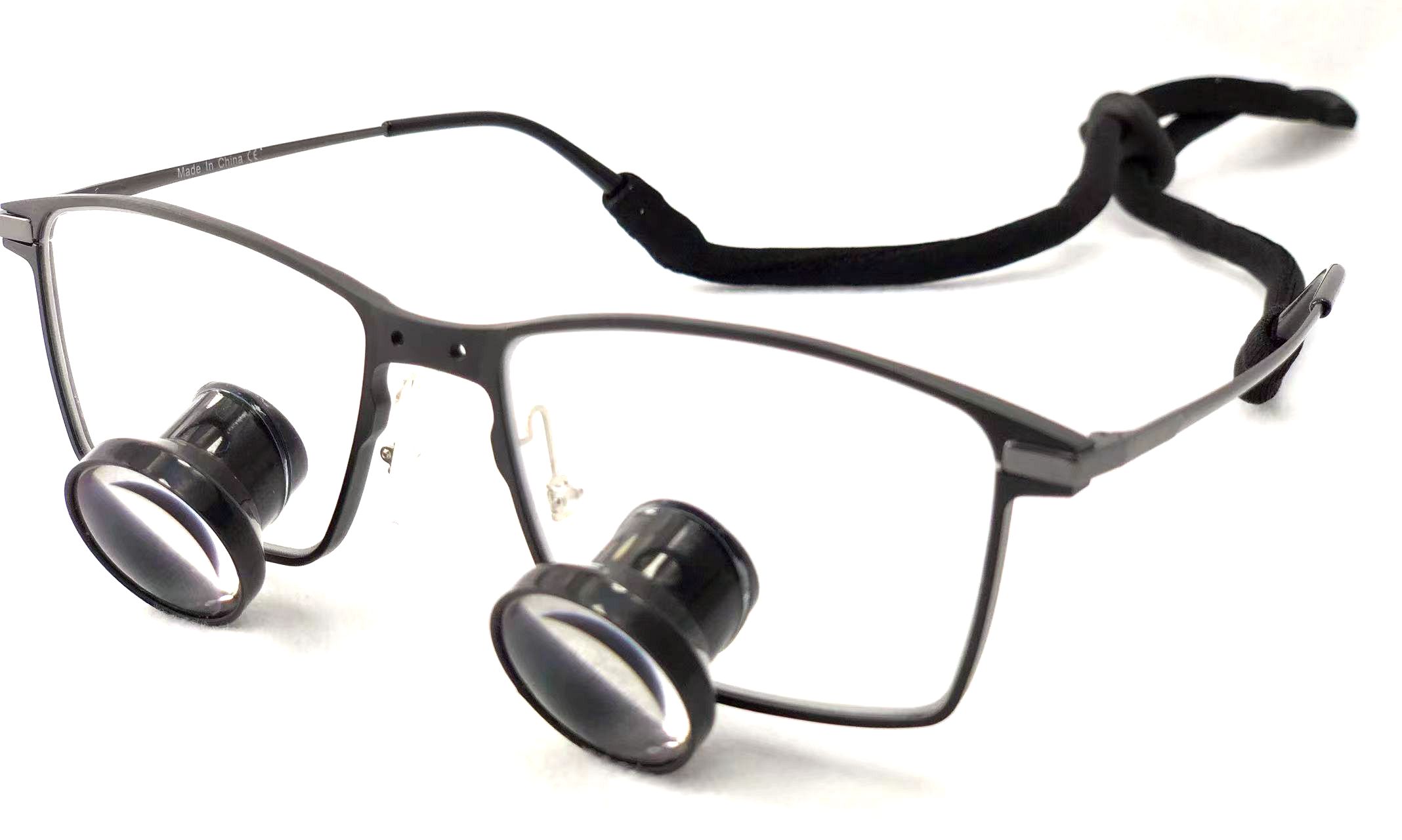
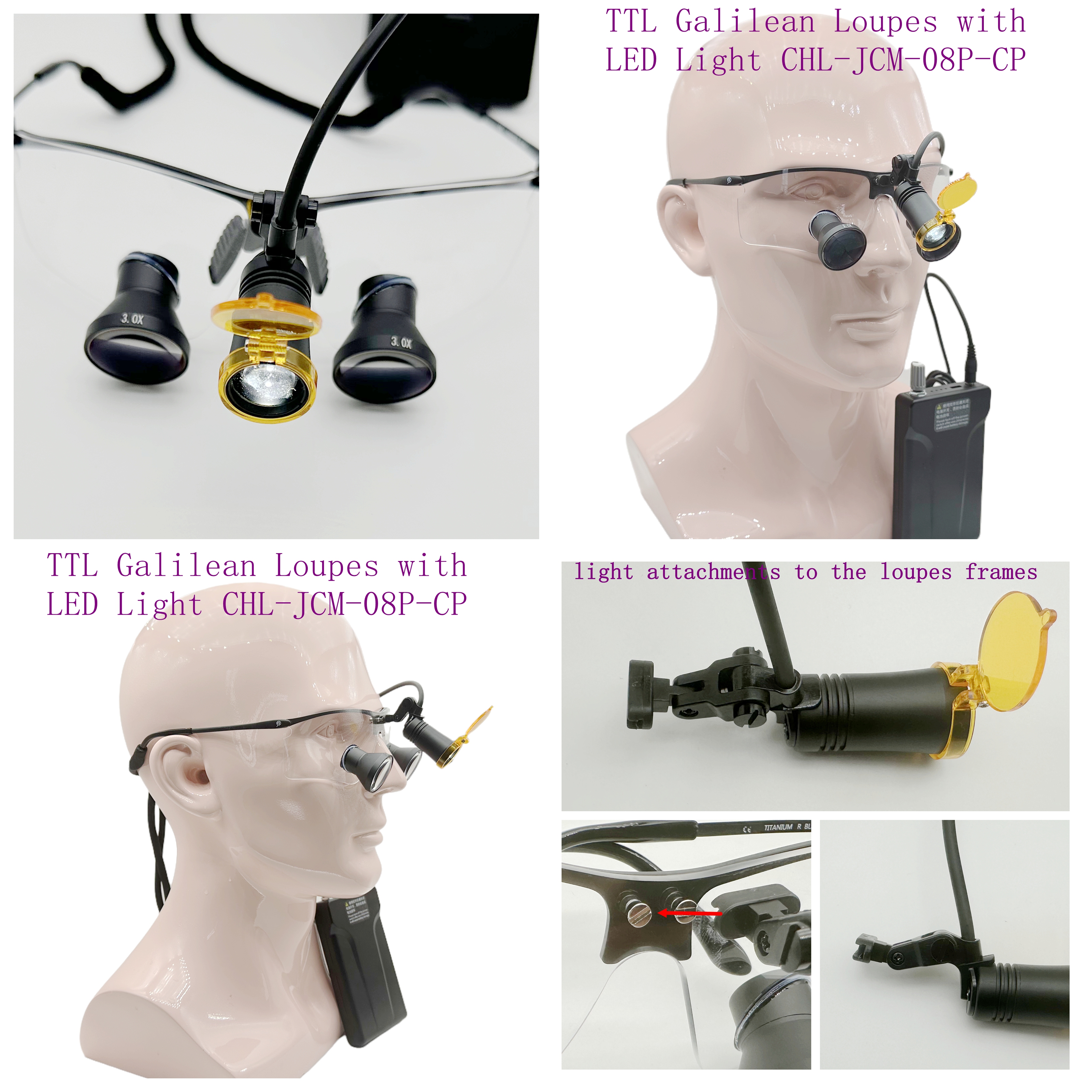
Minimally invasive dentistry focuses on preserving healthy tooth structure while addressing dental problems effectively. Achieving this requires clear visibility, careful assessment, and controlled movements during treatment. Dental surgical loupes online are worth exploring for dental professionals who want magnification to support better visibility and precision during clinical procedures.
By enlarging the treatment area, dental loupes help dentists examine details that may be difficult to see with the unaided eye. When used alongside appropriate lighting and sound clinical judgement, they can support a more controlled approach to dental care.
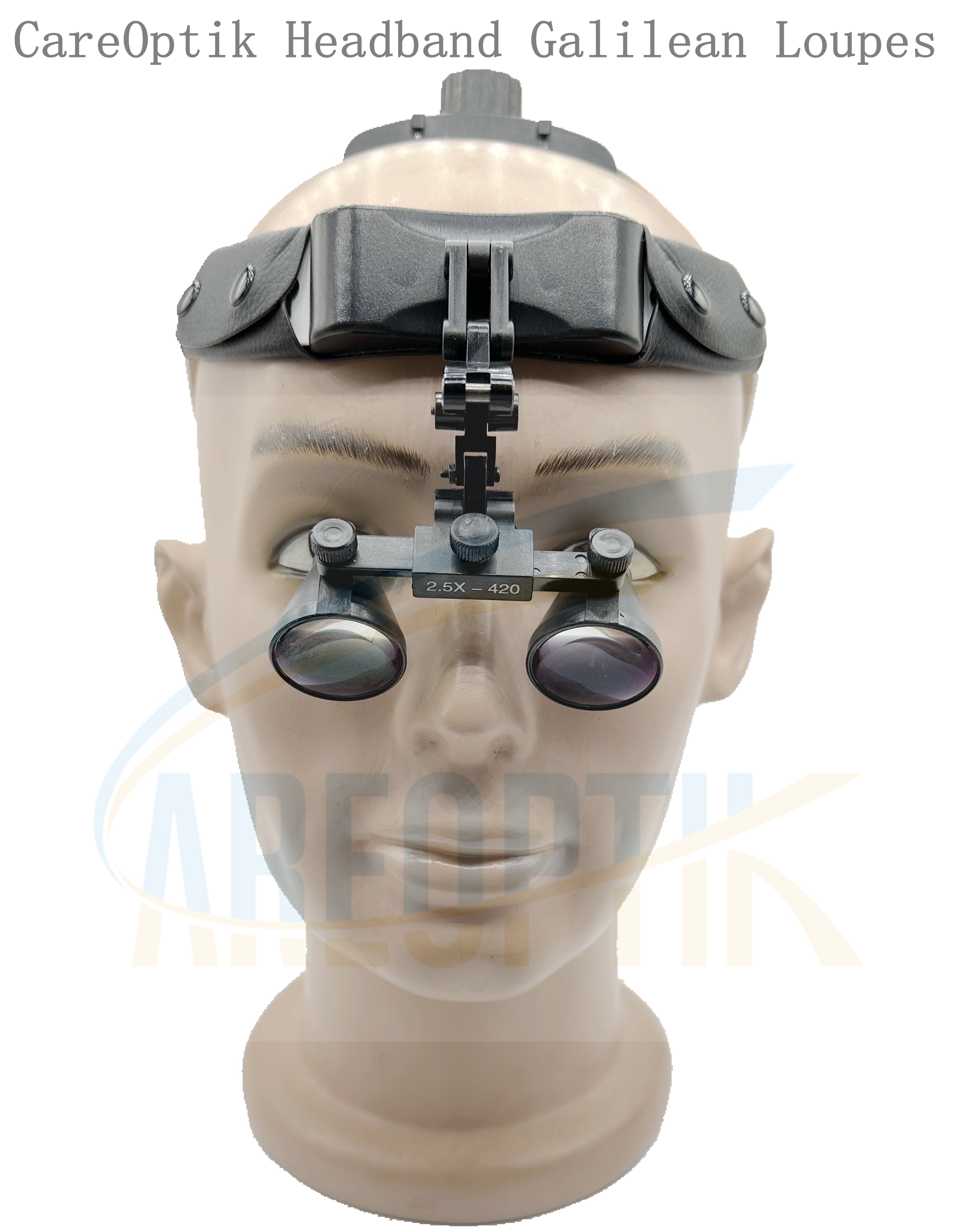
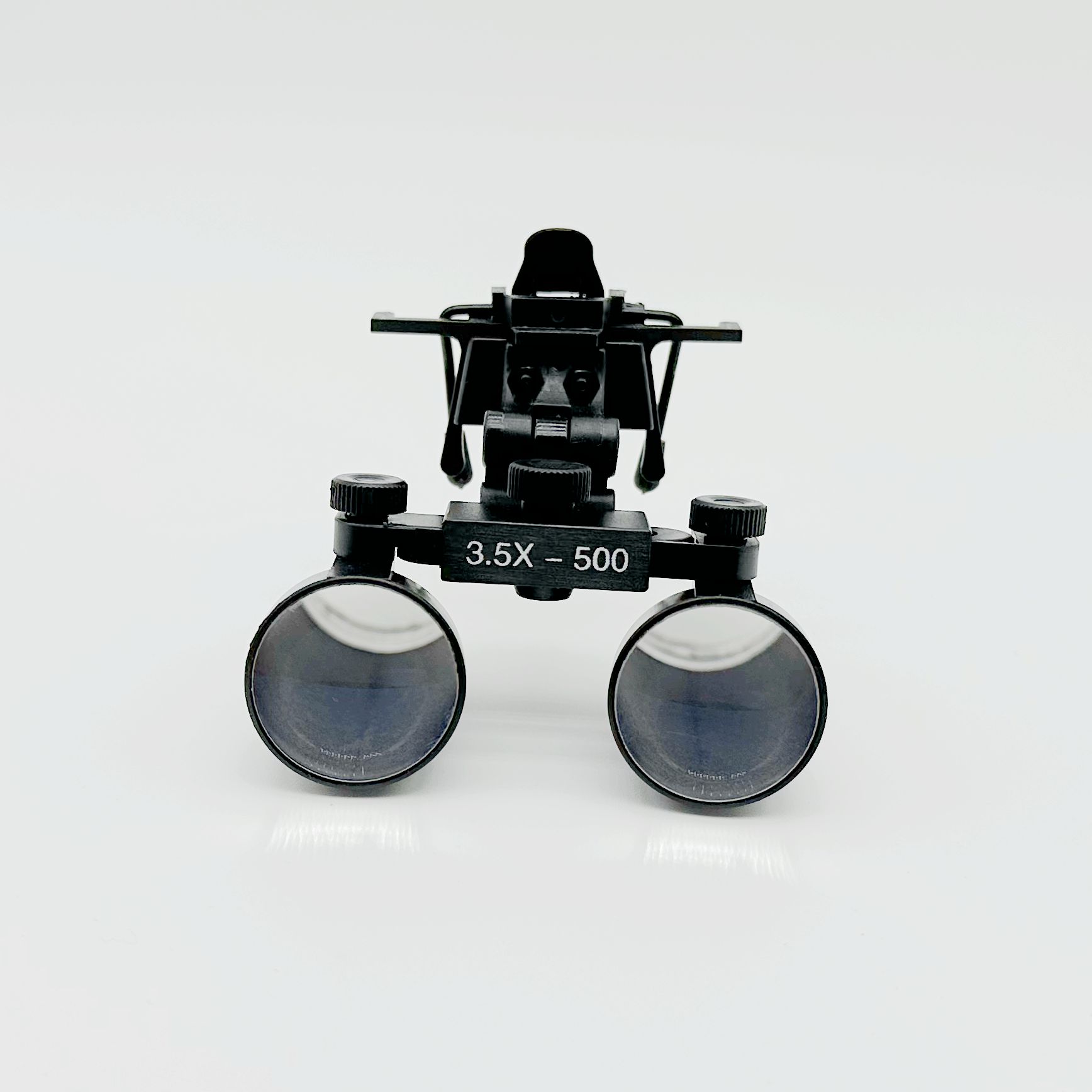
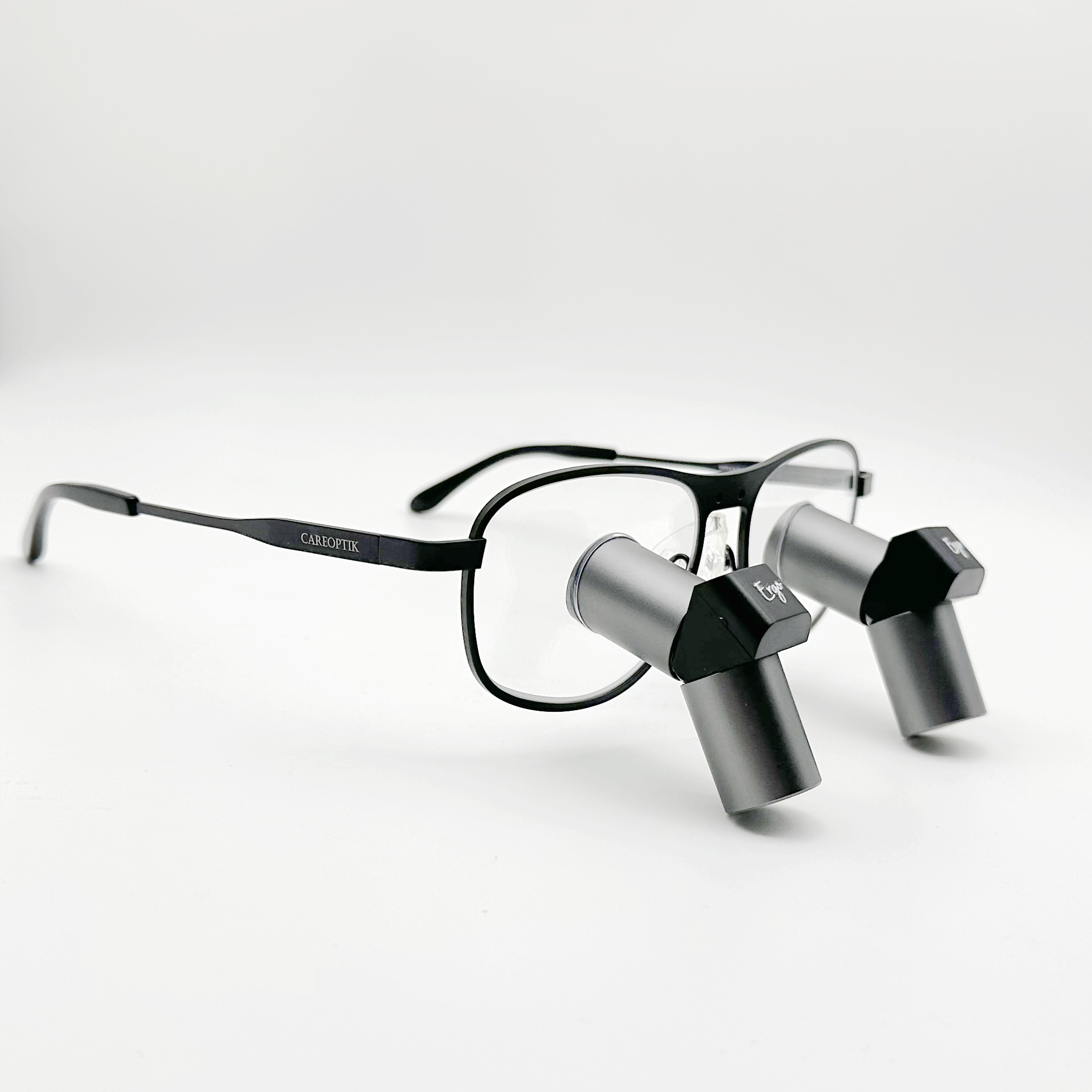
Dental surgical loupes are magnifying optical devices worn by dental professionals to enlarge the view of the treatment area. They help clinicians observe fine details while performing procedures that require accuracy.
Minimally invasive dentistry aims to remove or alter as little healthy tissue as reasonably possible. Magnification can support this approach by helping dentists assess the treatment site more closely and distinguish relevant structures during clinical work.
For example, during restorative procedures, enhanced visibility can help a dentist examine cavity margins and evaluate the area being treated. However, magnification alone does not guarantee better outcomes. Clinical expertise, diagnosis, and appropriate treatment techniques remain essential.
Dental procedures often involve small treatment areas where visual accuracy matters. Magnification makes these areas appear larger, helping clinicians examine tooth surfaces, restoration margins, and other details relevant to the procedure.
A clearer view can help dentists coordinate their hand movements with what they see. This is particularly useful when working in confined areas or performing procedures that demand careful instrument placement.
Preserving healthy tooth structure is a central principle of minimally invasive dentistry. Better visibility can contribute to informed decisions about the extent of treatment required, although the final approach must always be based on clinical findings.
When comparing dental surgical loupes online, consider how the equipment fits your working habits and clinical requirements. Different designs offer different levels of convenience and positioning flexibility.
Magnification works best when the treatment area is adequately illuminated. Dental surgical lights and loupes with integrated lights can help improve visibility, particularly when shadows or limited ambient lighting make examination difficult.
Before choosing a setup, consider the working distance, field of view, weight, fit, and compatibility with your preferred lighting arrangement.
Minimally invasive dentistry depends on careful assessment, precision, and the preservation of healthy tooth structure wherever clinically appropriate. Suitable magnification and adequate illumination can support these goals by improving visibility during treatment.
When exploring dental surgical loupes online, compare optical designs, ergonomics, and lighting options to find equipment that suits your clinical needs. The right choice should complement your skills and established treatment protocols rather than replace sound clinical judgement.
The appropriate magnification depends on the procedure, working distance, and clinician's experience. Lower magnification may offer a broader field of view, while higher magnification can reveal finer details. Test different options before deciding.
Yes. Dentists may use magnification during examinations, restorative work, and other clinical procedures. Suitability depends on the task, equipment configuration, and individual working preferences.
Loupes with integrated lights can provide illumination directed toward the viewing area, helping reduce shadows. Whether this configuration is preferable depends on the clinic's existing lighting, procedure requirements, and clinician preferences.
Compare magnification, working distance, field of view, weight, optical design, fit, and lighting compatibility. Check product specifications carefully and confirm whether fitting guidance or adjustment support is available.
Magnification helps clinicians inspect small treatment areas more closely, potentially supporting careful tissue removal and restoration placement. However, conservative treatment depends on accurate diagnosis, clinical judgement, and appropriate techniques, not magnification alone.