
USD
Your eyes can be exposed to dust, chemical splashes, flying particles, sparks, and other hazards in just a few seconds. Whether you work in construction, manufacturing, laboratories, workshops, or industrial environments, the right eye protection can significantly reduce the risk of injury. If you are looking for protective goggles online, understanding how they work and what features matter can help you choose suitable protection for the job.
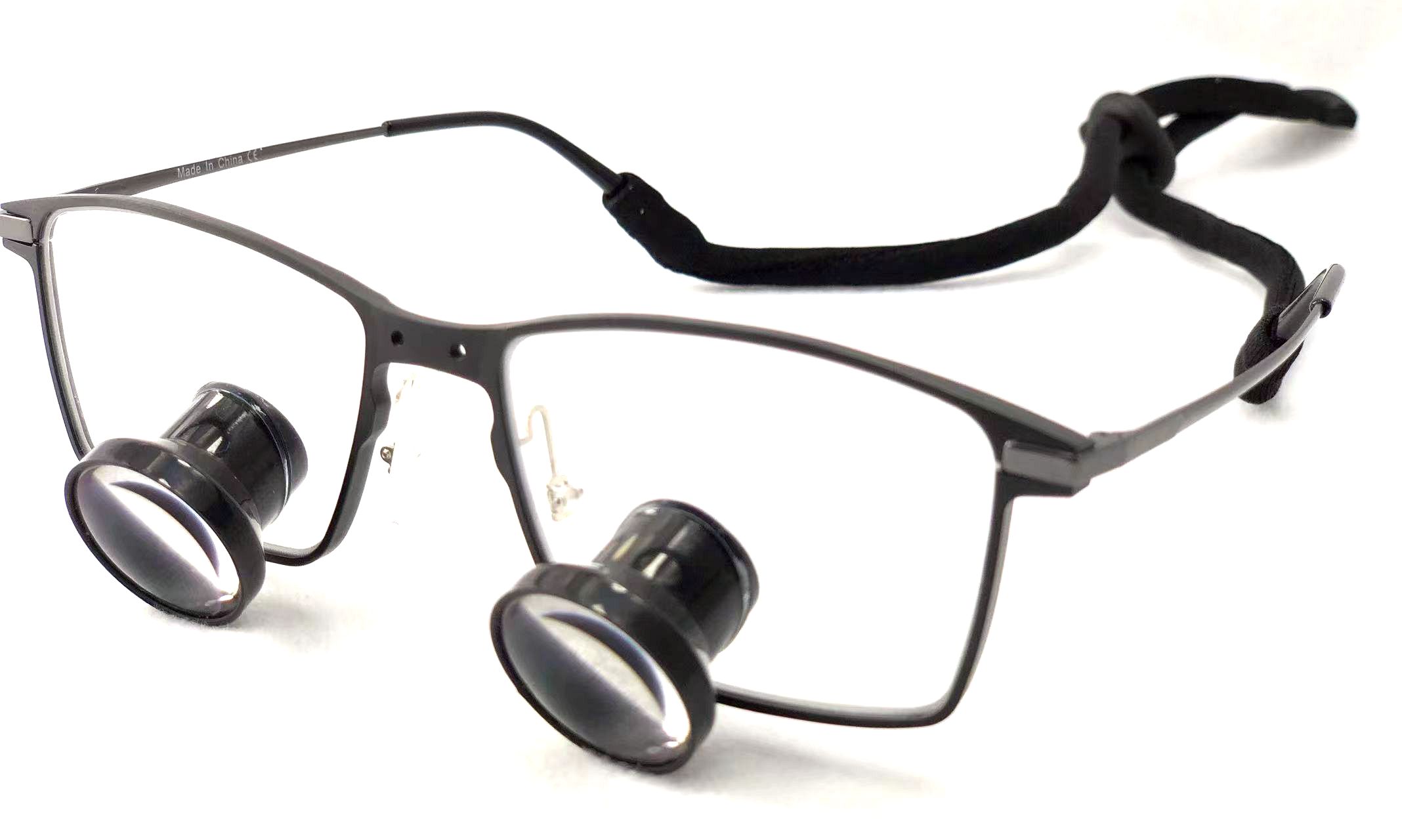
Protective goggles are safety eyewear designed to create a protective barrier around the eyes. Unlike ordinary glasses, goggles generally provide closer coverage around the eyes, helping limit exposure to hazards that can enter from the sides, above, or below.
Depending on the application, protective goggles may be designed for impact protection, dust, chemical splashes, or other workplace risks. The correct choice depends on the hazards present in your working environment.
Grinding, drilling, cutting, and construction activities can send small particles and debris toward the face. Suitable safety goggles can help prevent these particles from reaching the eyes.
This is particularly important when working with power tools, machinery, or materials that can break or produce fragments.
Laboratory and industrial workers may handle liquids that can irritate or seriously damage the eyes. Goggles designed for splash protection can create a barrier between the eyes and hazardous liquids.
For chemical work, always check that the selected eye protection is appropriate for the specific substances and task rather than assuming any safety goggles will provide sufficient protection.
Dust can cause irritation, watering, and discomfort, while prolonged exposure may create more serious eye problems depending on the material involved. Goggles with appropriate coverage can help reduce the amount of airborne dust reaching the eyes.
Certain workplace activities involve multiple hazards at once. For example, grinding may create both flying particles and dust. In these situations, choosing protective eyewear based on the complete risk assessment is more effective than selecting goggles simply because they look durable.
Before ordering safety eyewear, consider:
Even high-quality protective eyewear is less useful if workers constantly remove it because it feels uncomfortable. A practical fit should allow clear vision without excessive pressure, slipping, or unnecessary gaps.
For workplaces where goggles are worn for several hours, features such as adjustable straps, ventilation, anti-fog lenses, and compatibility with other PPE can make a meaningful difference.
Start with the workplace hazard assessment. Identify what could reach the eyes, how severe the potential injury could be, and whether the exposure comes from the front, sides, or surrounding environment.
Then compare protective eyewear designed for that specific risk. If requirements are unclear, consult your workplace safety professional or PPE supplier before purchasing.
Protecting your eyesight starts with identifying workplace hazards and choosing PPE designed for those risks. From flying debris and dust to chemical splashes, the right goggles can provide an important layer of protection. When shopping for protective goggles online, prioritize appropriate coverage, fit, lens features, and verified safety specifications over appearance alone. The right choice can help workers maintain clear vision, comfort, and safer working practices.
Are protective goggles better than safety glasses?
Not always. Goggles generally provide more enclosed coverage and can be particularly useful against dust or liquid splashes. Safety glasses may be appropriate for certain impact hazards. The best option depends on the specific workplace risk and applicable safety requirements.
Can protective goggles be worn over prescription glasses?
Some models are designed to fit over prescription eyewear, but not all are. If you wear corrective glasses, check the product specifications for compatibility before buying protective goggles online. Poorly fitting combinations can affect comfort, visibility, and the effectiveness of the protective equipment.
Are anti-fog lenses important for workplace goggles?
Anti-fog performance can be valuable when workers move between different temperatures or perform physically demanding tasks. Fogging can obstruct vision and encourage workers to remove their goggles. However, ventilation and proper fit also influence how effectively fogging is controlled.
How often should protective goggles be replaced?
Replacement depends on the product, frequency of use, workplace conditions, and condition of the lenses or frame. Goggles should be replaced when they become significantly scratched, cracked, damaged, or otherwise unable to provide the intended protection. Always follow the manufacturer's care and replacement guidance.
What should I look for when buying protective goggles online?
Start with the hazard rather than the appearance or price. Check the intended application, coverage, fit, lens features, safety certifications or standards, and compatibility with other PPE. Buying from a reliable supplier and reviewing the manufacturer's specifications can also help ensure the product matches your workplace requirements.